Finding the right assessment can feel like navigating a labyrinth blindfolded – especially when your child has both autism and a hearing impairment. This guide will walk you through the Australian landscape of assessments, funding options, and practical tips so you can focus on what matters most: supporting your child’s unique journey.

Understanding the Intersection of Autism and Hearing Impairment
Why Dual Challenges Matter
When autism and hearing impairment coexist, the symptoms can overlap or mask one another. A child who struggles to respond to verbal cues might actually be dealing with a hearing loss rather than an autism-related communication issue. Recognising this distinction early on can prevent misdiagnosis and ensure the right interventions.
Common Signs to Watch For
- Delayed language development despite early exposure to speech Unusual eye contact or apparent lack of responsiveness to sounds Repetitive behaviours that seem to compensate for sensory gaps Difficulty following instructions that are spoken aloud
These red flags warrant a deeper look from professionals who specialise in both fields.
The Assessment Journey in Australia
What an Autism Assessment Looks Like
An autism assessment in Australia typically involves a multidisciplinary team: psychologists, speech‑language therapists, occupational therapists, and sometimes audiologists. They use observation, structured play, and standardized tests to paint a comprehensive picture of the child’s strengths and challenges.
How Hearing Impairment Influences the Process
Audiologists will first confirm the type and severity of the hearing loss. This information informs the choice of assessment tools and the interpretation of results. For example, a child with mild conductive hearing loss may still benefit from visual cues, while a child with profound sensorineural loss will need more specialized communication strategies.
Key Players in the Assessment Team
- Audiologist – evaluates hearing and recommends aids Clinical Psychologist – administers autism screening tools Speech‑Language Therapist – assesses communication and feeding Occupational Therapist – looks at sensory processing and daily living skills
Each expert brings a piece of the puzzle, and together they create a tailored intervention plan.
Finding the Right Assessment Service
Public vs Private Options
| Option | Pros | Cons |
|--------|------|------|
| Public (state health services) | Free or low‑cost, government‑approved | Longer wait times, limited specialist availability |
| Private (private clinics) | Faster access, often more flexible scheduling | Higher out‑of‑pocket costs, variable quality |
Choosing between public and private depends on your family’s budget, urgency, and the local availability of specialists.
Government Support and Funding
- Early Intervention Services – funded by state governments for children under 3 years National Disability Insurance Scheme (NDIS) – supports children with significant needs, including autism and hearing impairment Health Direct – provides free advice and can direct you to accredited specialists
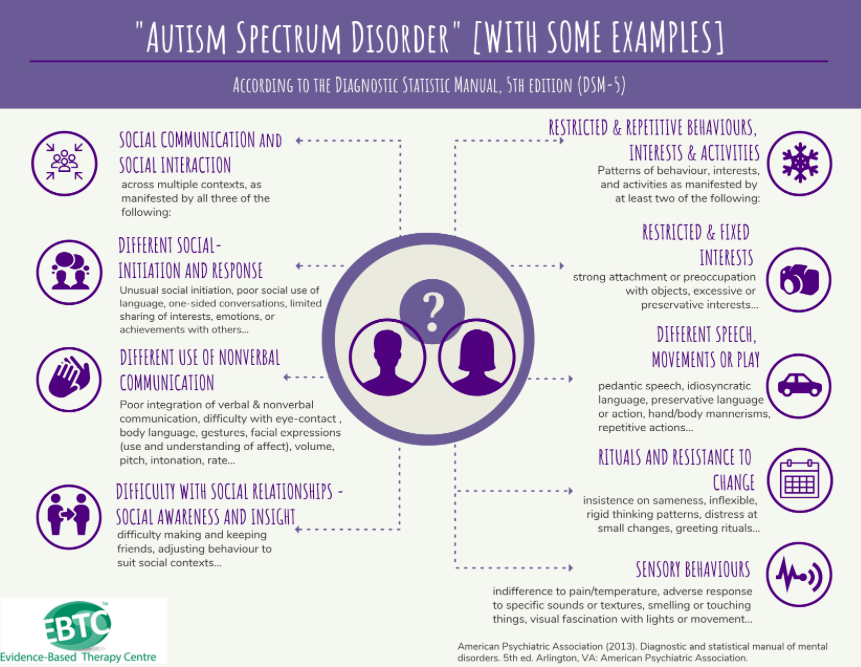
Navigating these avenues can be confusing, but a quick call to your local NDIS office or health department can clarify eligibility Social communication deficits and application steps.
Tips for Selecting a Specialist
- Check accreditation – look for specialists listed on the Australian Association of Developmental Disabilities (AAD) or the Australian Speech Language & Hearing Association (ASHA). Ask about dual‑specialty experience – ensure the practitioner has handled both autism and hearing impairment cases. Review patient testimonials – real‑world feedback can reveal how well a clinic manages complex cases. Consider location and transport – frequent visits can be taxing; proximity matters.
A well‑chosen specialist can make the assessment process smoother and more effective.
Practical Steps for Parents
Preparing Your Child
- Create a quiet, distraction‑free environment for the assessment. Use visual aids – picture schedules or simple icons can help explain the process. Keep familiar items handy – a favourite toy or blanket can provide comfort during the assessment.
When your child feels safe, the team can observe genuine behaviours.
Gathering Documentation
- Medical history – any previous audiology reports, hearing aid usage, or ear infections. Developmental milestones – timelines of speech, motor skills, and social interactions. School or childcare reports – observations from teachers or caregivers.
Having these documents ready reduces back‑and‑forth and speeds up the assessment.
Scheduling and What to Expect
- Initial appointment – usually a 30‑minute intake with a psychologist or audiologist. Assessment day – can span 2–3 hours, broken into short sessions to avoid fatigue. Feedback session – a follow‑up meeting where results and recommendations are discussed.
Plan for a few breaks and bring snacks if your child is Referral to specialist prone to short attention spans.
Overcoming Common Hurdles
Language Barriers and Communication
If you or your child use a language other than English, ask for an interpreter or bilingual professional. Clear communication is the cornerstone of an accurate assessment.
Emotional and Financial Stress
- Seek support groups – connecting with other parents can ease anxiety. Track expenses – keep receipts for potential reimbursement through NDIS or other funding. Set realistic timelines – understanding that waiting lists exist can help manage expectations.
Remember, the goal is progress, not perfection.
A Light‑Hearted Anecdote
When I first met a little girl named Lily, she greeted everyone with a dramatic “Hi‑ya!” that sounded more like a trumpet solo than a hello. She was on the autism spectrum and had a mild hearing loss. The audiologist asked if she had a “loud‑speaker” habit, and Lily proudly replied, “I’m the loud‑speaker! I don’t need one!” It turned out that Lily’s enthusiasm was the key to her successful assessment, proving that a bit of humor can break down even the toughest walls.
A Quote
> “The greatest gift we can give children is the chance to see the world with their own eyes, not with the eyes of others.” – Dr. Fiona McDonald, Audiology Specialist
This reminds us that every assessment is a step toward unlocking your child’s authentic voice.
Charting the Path Forward
Finding an autism assessment for a child with a hearing impairment in Australia doesn’t have to be a maze. By understanding the dual challenges, navigating the assessment journey, selecting the right specialist, and preparing practical steps, you’re equipped to turn uncertainty into action. Keep the lines of communication open, stay patient, and remember that every small victory is a milestone on your child’s unique path. If you’re ready to take the next step, reach out to your local health department or NDIS office today – the journey begins with a single call.